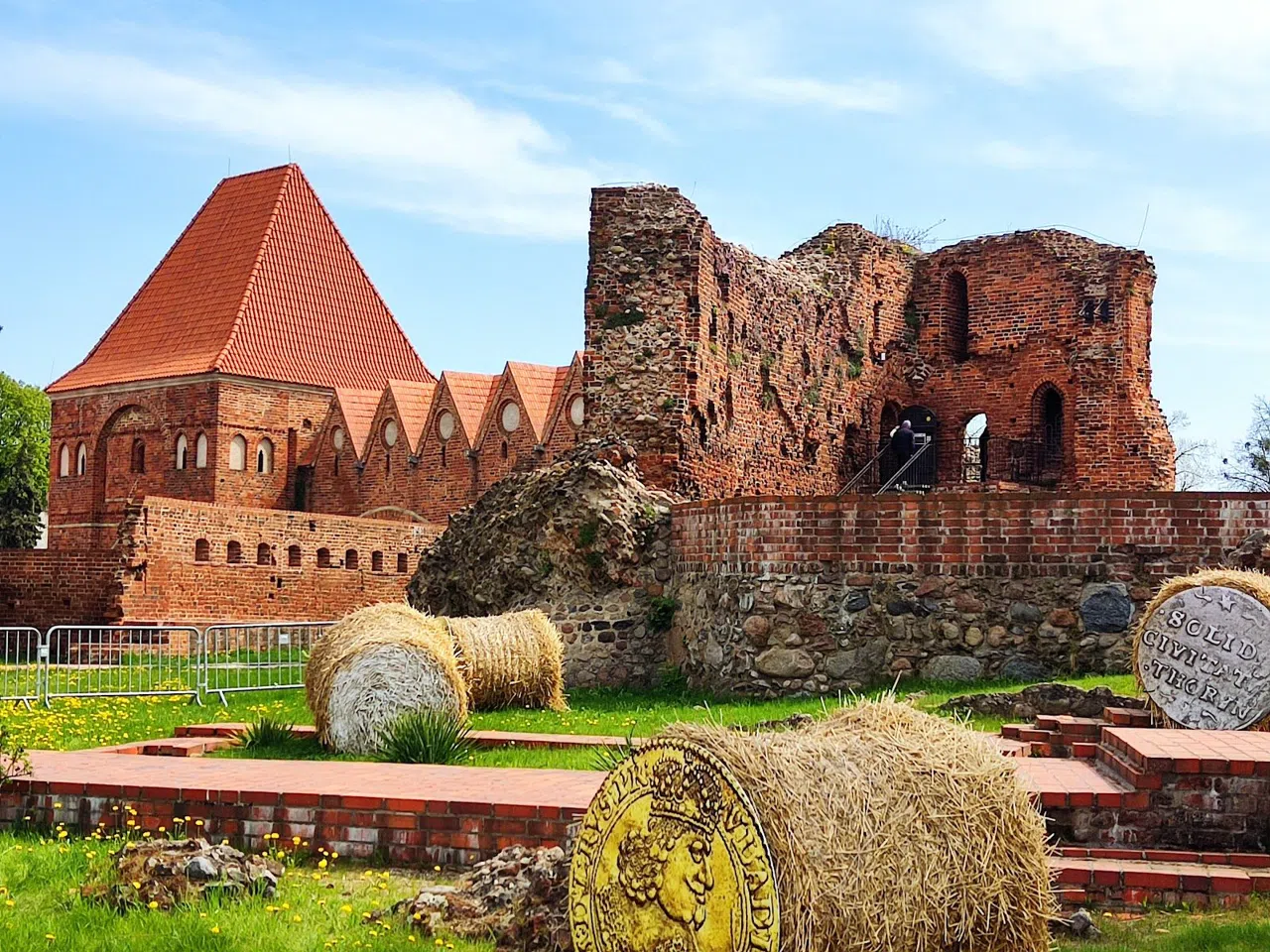

Stand in the excavated dungeons of Toruń's Teutonic castle and the ground itself tells you something most guidebooks skip past: this fortress did not fall to an invading army. It was pulled apart, stone by stone, by the very townspeople the Teutonic Knights had taxed and governed for two centuries. What survives — a jagged foundation line, a gatehouse stump, and the notorious "fear chamber" sunk below grade — is less a ruin than a scar, and walking it in 2026 is still the closest the city lets you get to feeling what happened here in 1454.
The Fortress the City Tore Down
The Ruins of the Teutonic Castle (Ruiny Zamku Krzyżackiego, also run today as the Centrum Kulturalno-Kongresowe "Zamek Krzyżacki"), on the southern edge of the Old Town where the walls once met the Vistula, were built from the 1230s onward as the seat of Teutonic power in the region — a garrison fortress, a treasury, and a court all in one, ringed by its own moat and drawbridge separate from the town's civic walls. For two hundred years it was the physical fact of who ruled Toruń. That ended in February 1454, when the townspeople, organised under the Prussian Confederation and fed up with Order taxation and jurisdiction, stormed the castle and began dismantling it before the Order could retake it — a demolition the burghers themselves undertook so thoroughly that no army ever needed to finish the job. It is one of very few medieval European castles destroyed not by siege but by its own subjects' municipal decision.
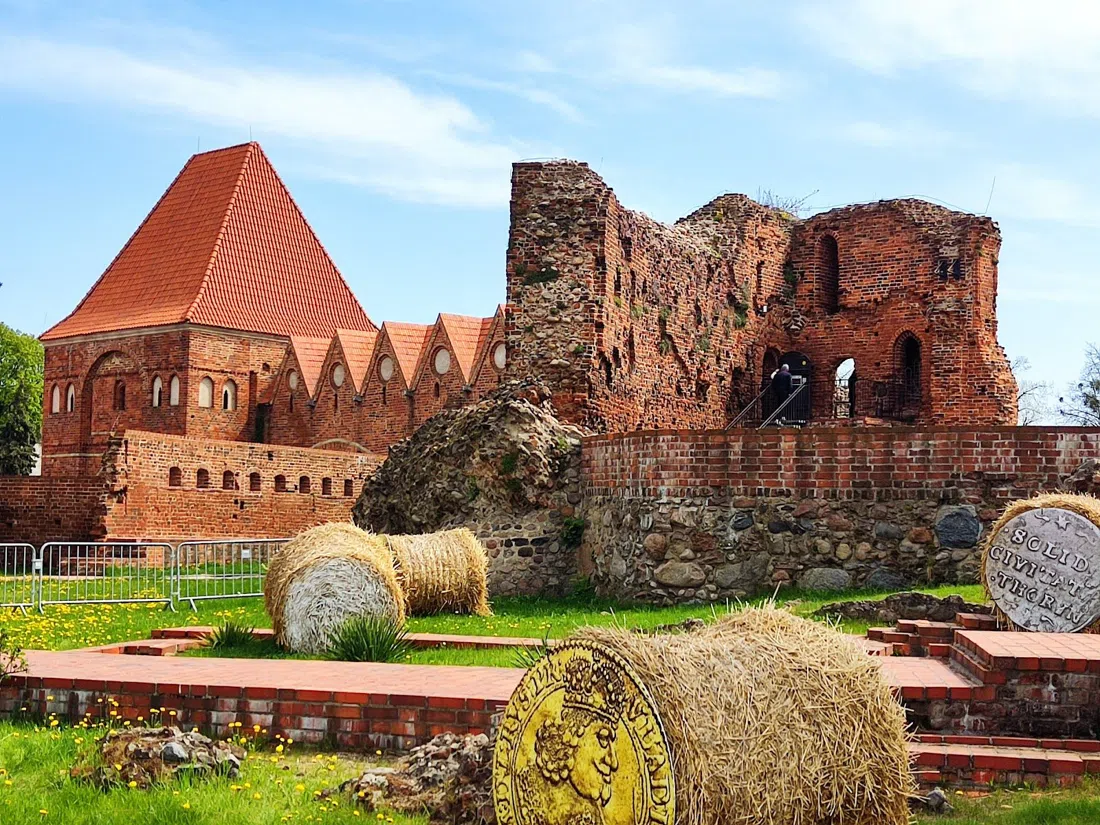
What's left rewards slow attention rather than a quick photo. The excavated lower levels — cellars, well shafts, and the interrogation space locals still call the fear chamber — are the only place in Toruń where you physically descend into what the Order built, rather than just reading a plaque about it. The site now runs as a cultural and events venue: concerts, historical workshops, and festivals through the summer, alongside standing exhibits on the fortress and the uprising. It takes groups and school parties comfortably, and guided group tours are bookable ahead by phone rather than walk-up — worth doing if you want the demolition story narrated on-site rather than pieced together from signage. Entry runs about 20 PLN regular, 12 PLN reduced, making it one of the cheapest hours you'll spend in the city for what it delivers.
Across the River: What Rose From the Rubble
The rebellion didn't leave a power vacuum for long. Once the Teutonic Order's grip on Toruń broke, the Polish crown moved in, and King Władysław Jagiełło had a new stronghold built across the Vistula — the Dybów Castle Ruins (Zamek Dybów), on the right bank facing the Old Town. It's a smaller, plainer structure than what it replaced, and that plainness is the point: this was a royal Polish castle raised specifically to project a different authority over the same river crossing the Teutonic fortress had once controlled.

Dybów is open-air and unstaffed — free to visit 24 hours a day, with no booking and no group-size limit, which makes it an easy add for any itinerary. Most visitors pair it with the Old Town walk as a photo stop, and it earns that reputation: shot from the riverbank with the Old Town skyline behind it, it gives you the clearest single image of "here's what came after" that the city offers. There's no interpretive centre and no ticket booth, so don't expect the depth of the main ruins — treat it as the epilogue, not the chapter.
The Walls the Burghers Kept
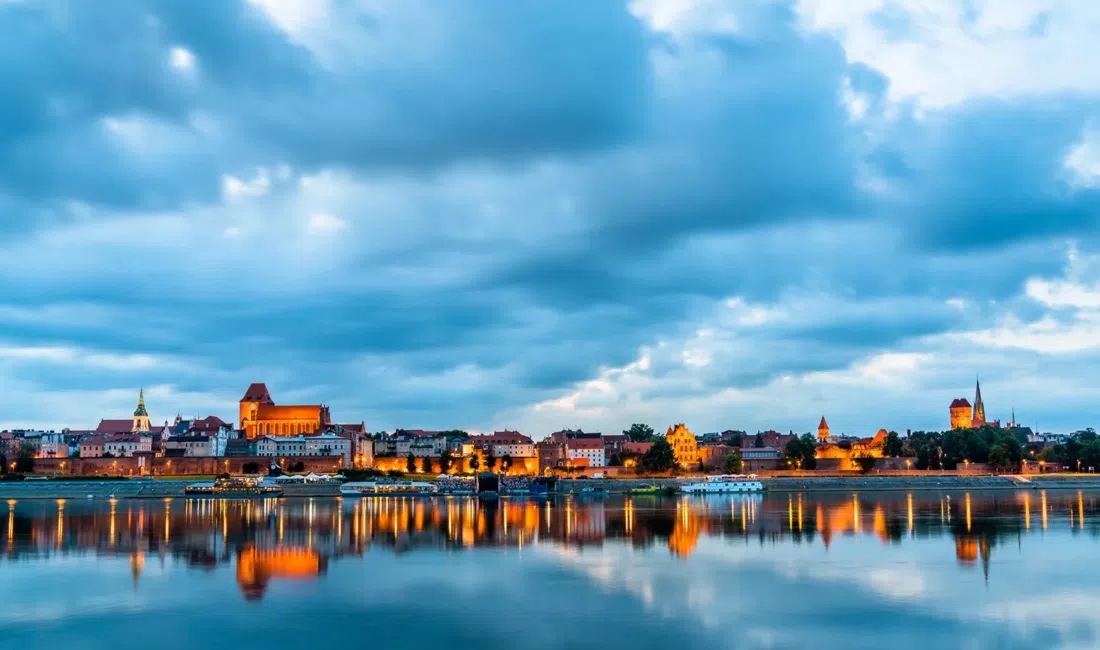
Here's the detail that sharpens the whole story: while the townspeople tore down the Teutonic castle's fortifications, they left their own municipal walls standing — because those walls were under civic, not Order, control. The clearest place to feel that distinction is the City Walls Riverside Walk (Bulwar Filadelfijski), the open public promenade running along the surviving Old Town fortifications above the Vistula. It's free, self-guided, and suits a group of any size — no booking, no ticket, just a walk. Take it slowly and you can trace where the town's own defences continue past the point where the castle's separate walls used to begin; it's the single best way to visualise the 1454 split between "the city's walls" and "the Order's walls" before you've read a word about it.
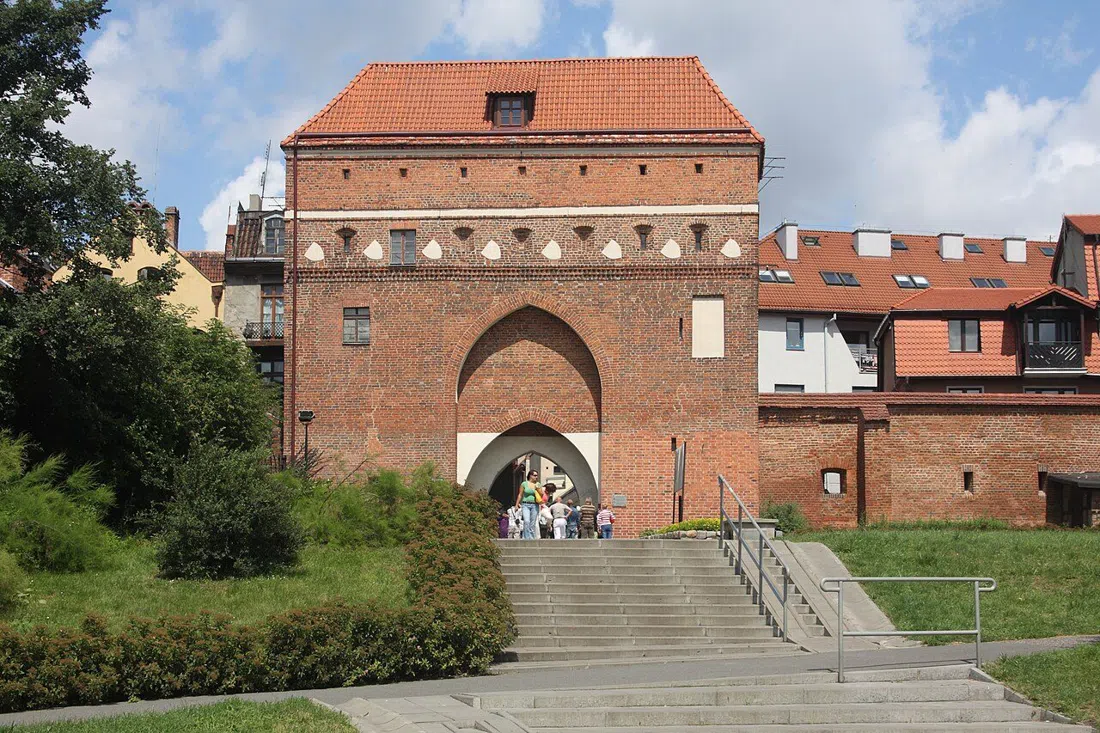
Two of the town's original medieval gates back up that walk. The Monastery Gate (Brama Klasztorna) is one of only three of Toruń's original gates still standing, a plain walk-through structure with no booking or crowd limit — useful simply for showing how the burghers' own perimeter looked, distinct from the castle's separate fortifications. The Bridge Gate (Brama Mostowa), the most technologically advanced of the medieval gates, was purpose-built to defend the river crossing itself; today its interior houses a conservator's office, so it's an exterior and facade visit only, but it pairs naturally with the castle ruins' own river-facing defences if you're thinking about how the two systems — town and Order — each protected the water.
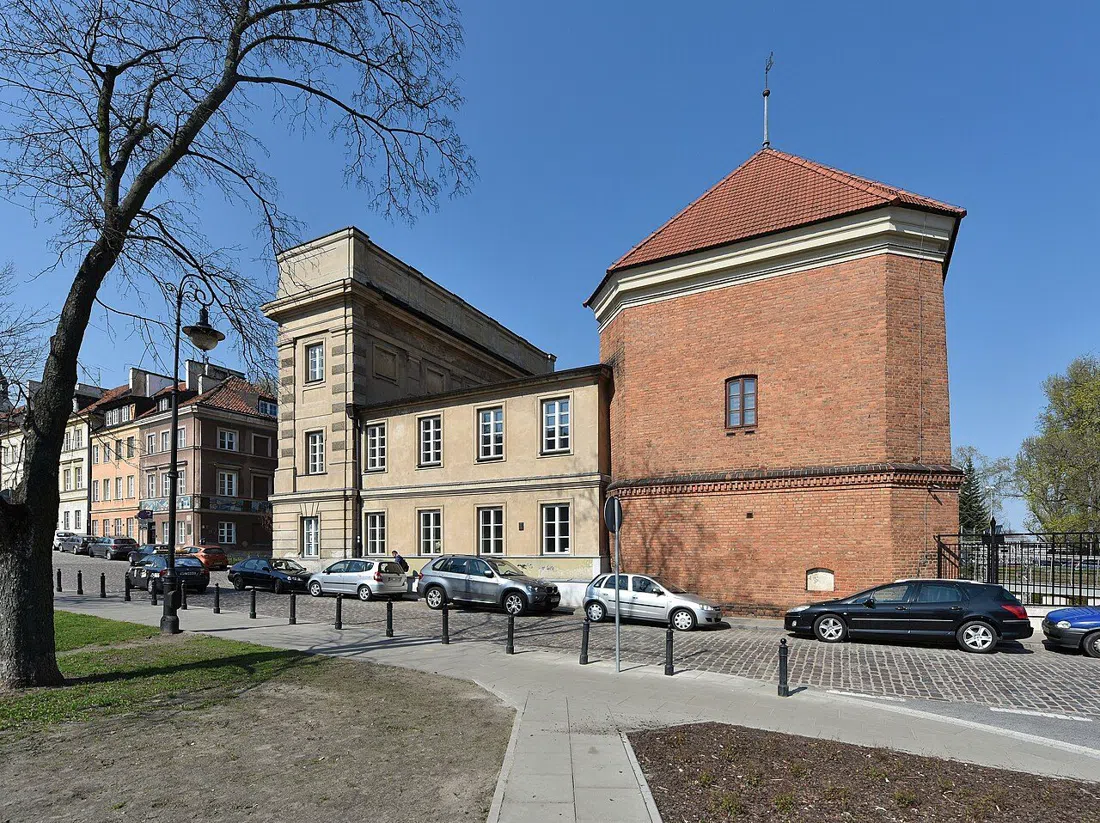
Don't skip the Leaning Tower (Krzywa Wieża) on this circuit either. It's part of the same 13th–14th-century town fortification system the Teutonic garrison relied on, and unstable riverbank soil has given it a genuine, photographable lean — it's the most photographed single structure in Toruń after the castle ruins themselves. There's no entry ticket for viewing or photographing it from the street, so it works for a group of any size on a five-minute stop.
A Rooftop View of Both Wounds: The Old Town Hall
For the view that ties the whole geography together, climb the Old Town Hall (Ratusz Staromiejski), home to the Regional Museum (Muzeum Okręgowe w Toruniu) and one of the largest medieval town halls in northern Europe — the anchor building of the UNESCO-listed Old Town. The tower is open daily and, on a clear day, gives you the market square underfoot and the castle ruins visible in the distance, which is the closest thing to a single photograph that captures both the city that survived and the fortress that didn't.
The museum runs regular group-ticket rates and pre-bookable guided tours, which is worth arranging ahead if you're travelling with more than a couple of people. Pricing is straightforward: about 30 PLN for the exhibition, 28 PLN for the tower alone, or 49 PLN combined — reasonable for what's genuinely one of the best civic Gothic interiors in this part of Europe, not just a viewpoint.
The Gothic Skyline That Outlived the Order
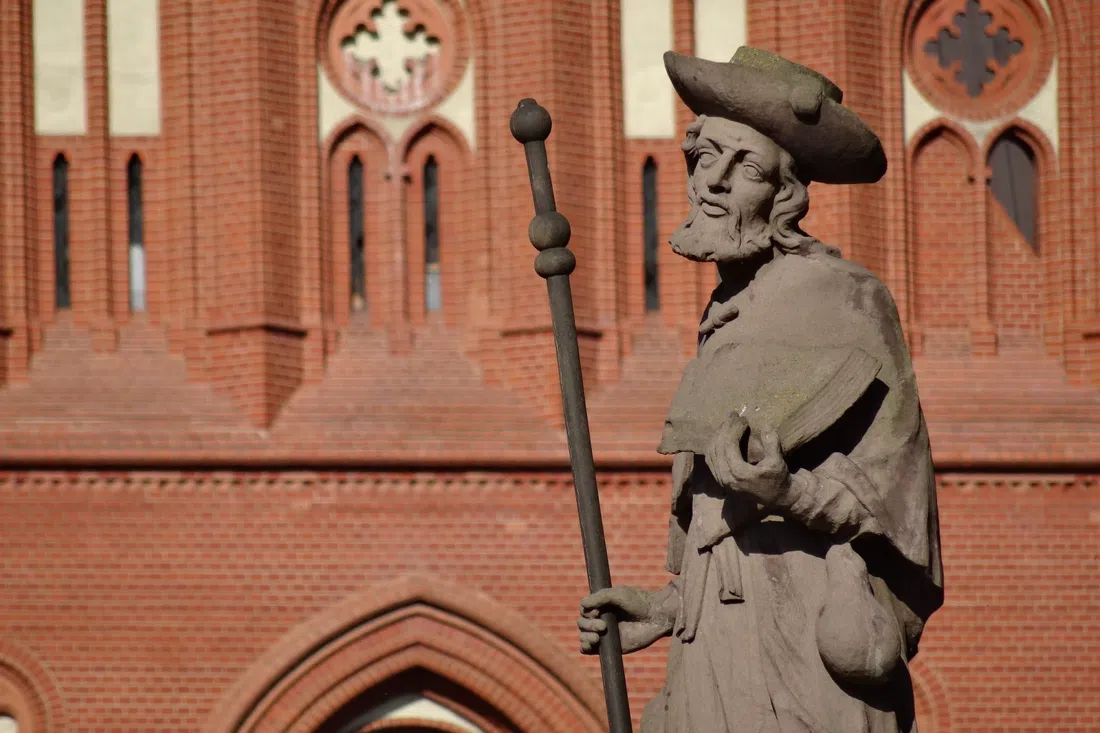
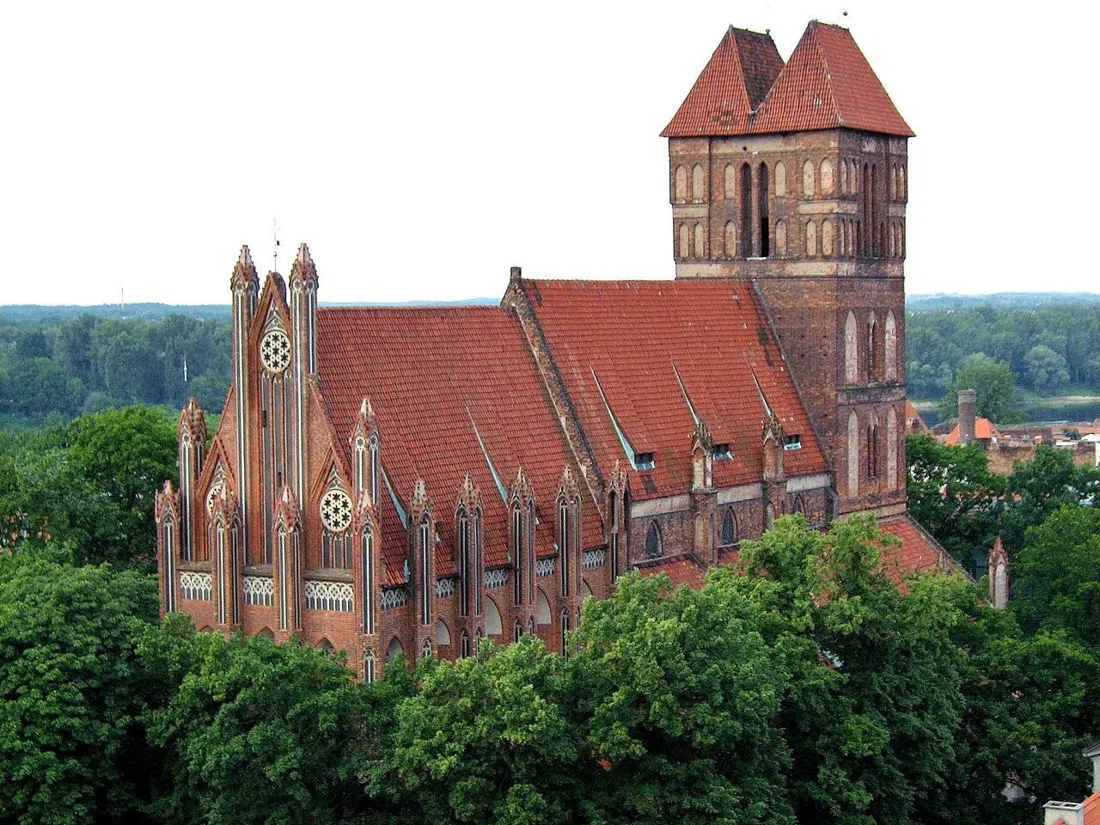
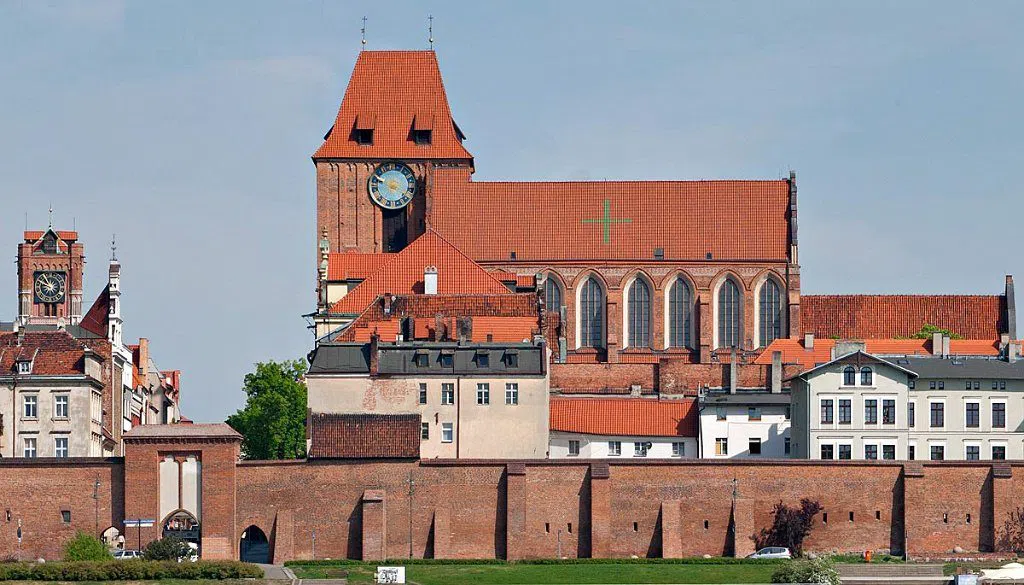
The castle and the town hall didn't rise in isolation — they were part of the same 13th–14th-century building boom, and three churches from that era still define the Old Town's skyline. The Cathedral of SS. John the Baptist and John the Evangelist (Katedra Świętych Janów) is the city's largest Gothic building and the place where Copernicus was baptised; it's a working parish church and basilica, open to visitors and groups outside Mass times, with the tower climb ticketed separately from free church entry. The Church of the Assumption of the Blessed Virgin Mary (Kościół Wniebowzięcia NMP), the former Franciscan church, is one of the three great Gothic churches of the Old Town and was finished within a generation of the castle's own construction — a free, active parish church open to visiting groups outside services. Further into the New Town, St. James' Church (Kościół św. Jakuba) is widely considered the most architecturally refined Gothic church in the city, and its location is itself a small history lesson: the New Town grew up in the same Teutonic-founding era as the castle, as a separate settlement before the two towns eventually merged.

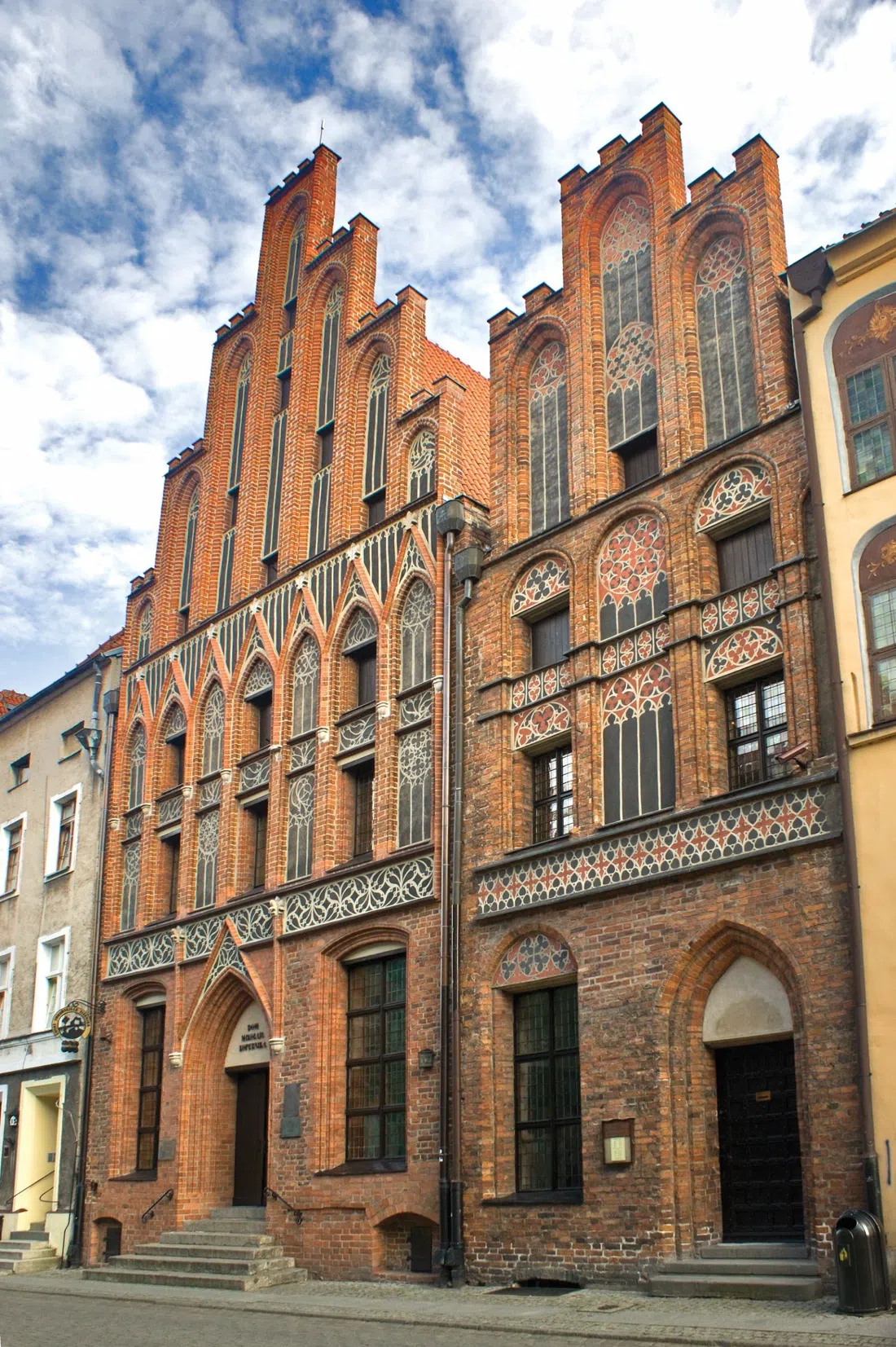
For a sense of what ordinary life looked like inside these same walls, the House of Nicolaus Copernicus Museum (Muzeum Dom Kopernika), a Regional Museum branch built around Copernicus's presumed birthplace, recreates the merchant city that operated under the Teutonic castle's shadow. It's a manageable, group-friendly stop with pre-booked guided tours available and entry around 20–30 PLN — a good counterweight to the castle's military story, since this is where you see the commercial life the Order taxed rather than the fortress that did the taxing.
Doing It With a Group — Or Without One
If you're travelling solo or as a couple, the castle ruins and the walls walk reward unhurried, self-paced time — there's no reason to rush the fear chamber. But if you're in a group and want the 1454 story narrated rather than read off a panel, Walkative! Free Walking Tour Toruń runs a daily English-language Old Town and Castle Ruins route explicitly built for groups — tip-based for the standard walk, with private group bookings available from roughly €60–90 flat. It's the most efficient way to get the rebellion narrative delivered on-site by a local guide rather than piecing it together yourself.
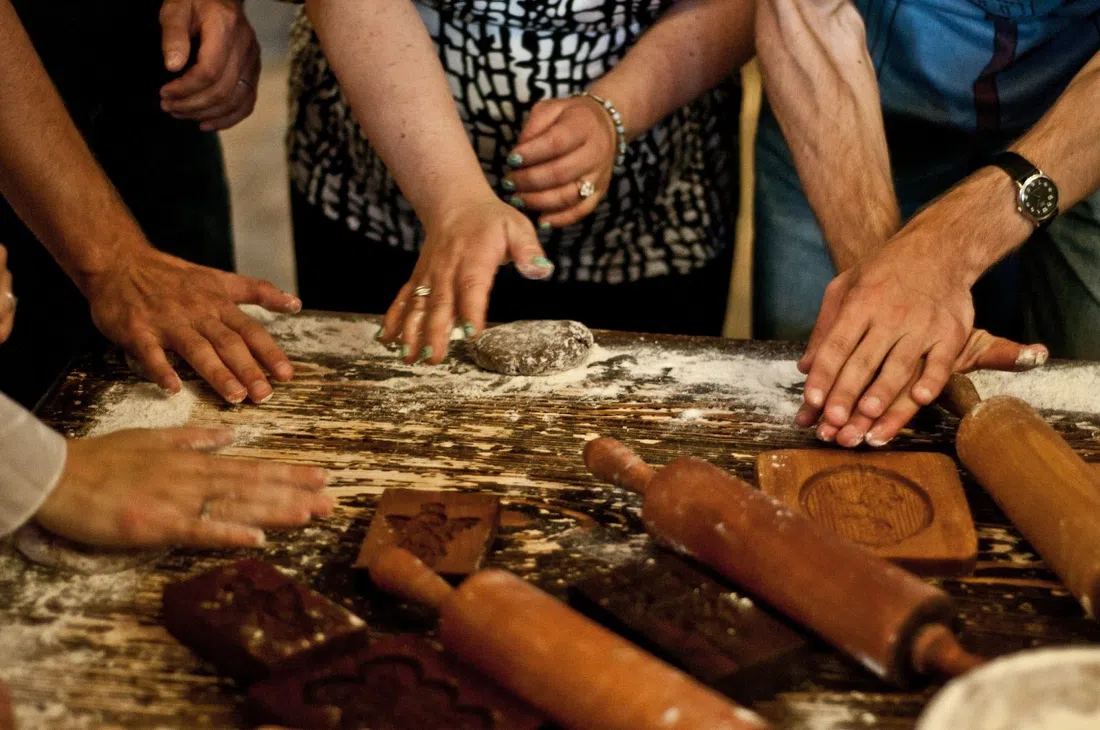
For families or larger groups wanting something hands-on that isn't ruins at all, the Living Museum of Gingerbread (Żywe Muzeum Piernika) is built specifically for that: timed 75-minute sessions, dedicated group and school bookings, multilingual delivery, around 30–40 PLN per person. It isn't castle-related, but Toruń's gingerbread guilds date to the same Hanseatic-era prosperity the Teutonic castle once taxed — a fitting way to close a day that started underground in a fortress and ends with your hands in dough.
Practical Notes
Transport: everything above sits within a compact, walkable Old Town, with Dybów Castle a short walk or taxi ride across the Vistula bridges. You won't need a car for any of this, and most groups can cover the full circuit — castle ruins, walls walk, town hall, churches — on foot in a single day.
Cash: Poland runs on the złoty (PLN), and while cards are widely accepted at ticketed sites, carry some cash for the Walkative! tour tips and for smaller stalls near the gingerbread museum.
Timing: aim for the castle ruins and Dybów early or late in the day for both softer light and thinner crowds — the ruins' events calendar can bring concert crowds through on summer evenings, so check ahead if you specifically want a quiet, contemplative visit to the fear chamber. The Old Town Hall tower is best climbed on a clear day for the castle-ruins sightline.
Budget: a full day covering the castle ruins, town hall tower and museum, and one Gothic church comfortably lands under 100 PLN per person, before food — Dybów, the gates, the Leaning Tower and the riverside walk cost nothing at all. If you're building a longer stay around this route, start your Torun hotel search in or near the Old Town so you can walk the whole story — castle to walls to churches — without needing transport, and see the full Torun guide for what else the city offers beyond this one afternoon of rebellion and ruin.