
Torun
Toruń is defined by its deep red Gothic brickwork and the scent of baked spices that drifts through its medieval grid.
Guests & rooms
The Torun guide
An insider’s read on Torun
TToruń is defined by its deep red Gothic brickwork and the scent of baked spices that drifts through its medieval grid.
Founded by the Teutonic Knights in the 13th century, Toruń quickly grew into a wealthy member of the Hanseatic League. This merchant wealth funded the monumental Gothic architecture that still dominates the Old Town. The city's identity is permanently linked to Nicolaus Copernicus, who was born here in 1473, and to its centuries-old gingerbread baking tradition. The local character is fiercely independent; in 1454, the townspeople revolted against the Teutonic Knights and tore down their castle, an act of defiance that still shapes the local pride.

PLATE ITorun, Poland

Where to base yourself
The neighborhoods
01
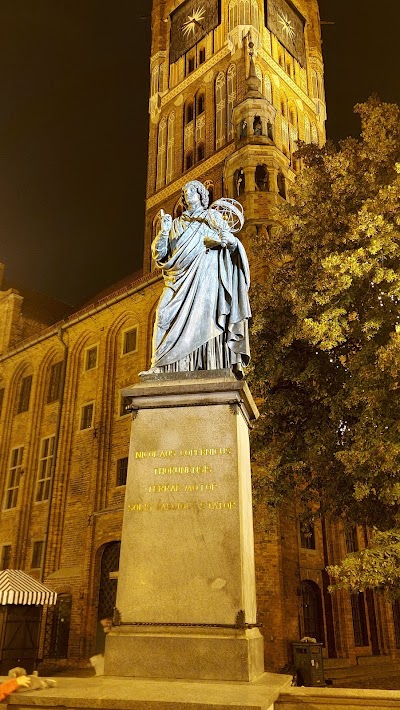
Stare Miasto (Old Town)
For First-time visitors who want to be steps from major historical sites. The trade-off is higher prices and constant daytime foot traffic.
The medieval heart of the city, dominated by massive Gothic brick churches, the Old Town Hall, and historic granaries.
Where to stay — Historic boutique hotels or apartments converted from medieval merchant houses.
02
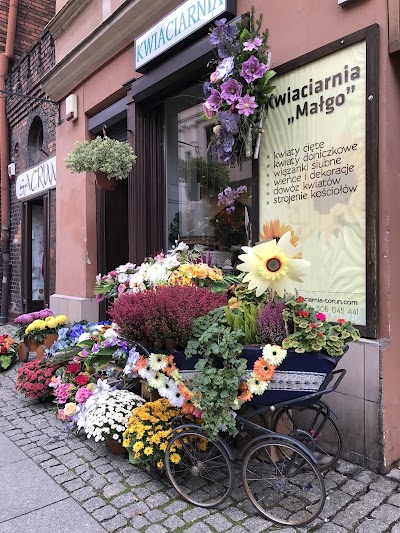
Nowe Miasto (New Town)
For Travelers seeking a quieter base that still feels historic. The trade-off is fewer dining options directly on your doorstep.
Established in 1264, this area is quieter and less commercialized than the Old Town, featuring a spacious central square and historic residential streets.
Where to stay — Mid-range guesthouses and quiet rental apartments.
03
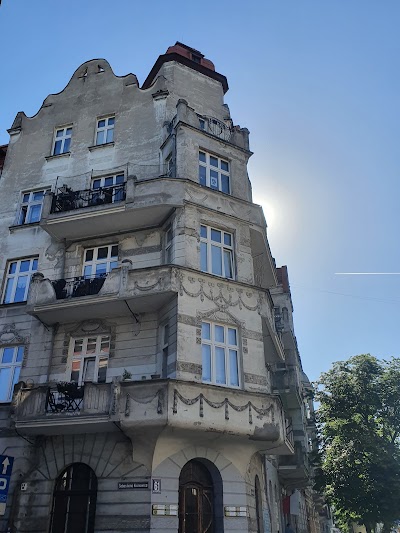
Bydgoskie Przedmieście
For Slow travelers and architecture enthusiasts looking for a local, artistic vibe. The trade-off is a 20-minute walk to the historic core.
A leafy, bohemian district west of the center, known for its eclectic Art Nouveau villas, timber-framed houses, and a large English-style park.
Where to stay — Budget-friendly apartments and local guesthouses.
Book direct
Book a hotel in Torun
Loading live availability and real-time prices…
Where to eat
Dining
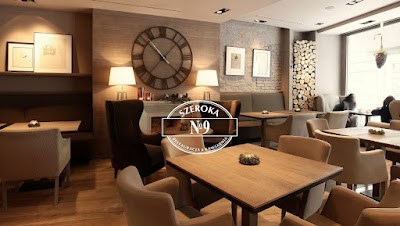
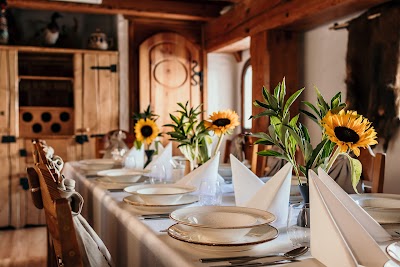
Restauracja Szeroka No. 9
€€€Old Town
Refined Polish classics served in an elegant, historic townhouse setting with attentive service.
Signature — Slow-roasted duck with apples and marjoram
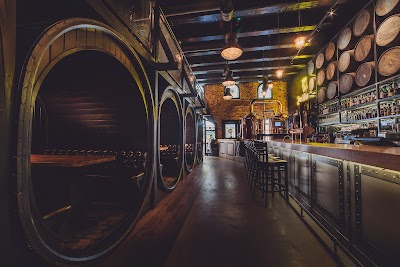
Karczma Spichrz
€€Old Town
Traditional Polish fare served inside an expertly restored 17th-century granary with rustic timber beams.
Signature — Wild boar roast with forest mushroom sauce
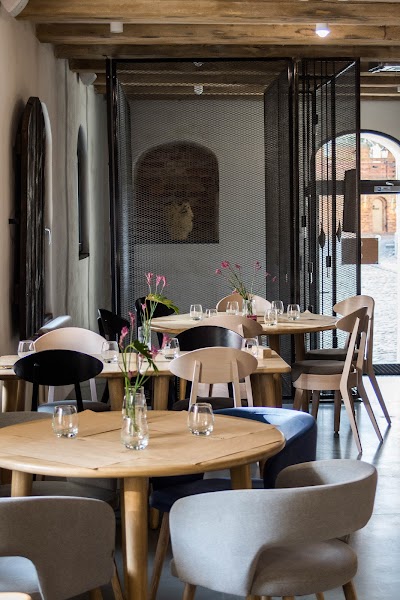
Jan Olbracht Browar Staromiejski
€€Old Town
A lively brewpub serving hearty Polish dishes alongside house-brewed beers named after Polish kings.
Signature — Pork knuckle braised in dark beer
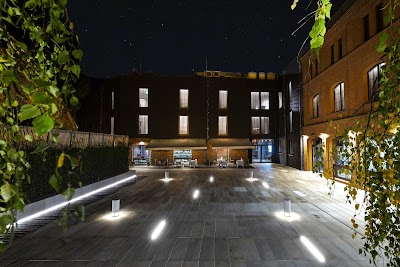
Restauracja Monka
€€€Old Town
Creative modern Polish cuisine focusing on flour-based heritage dishes in a sleek, industrial-historic granary setting.
Signature — Buckwheat pierogi with regional cheese and truffle oil
Restauracja 1231
€€€Old Town
Elegant dining inside a medieval mill, focusing on seasonal ingredients and precise presentation.
Signature — Sous-vide venison loin with parsnip purée
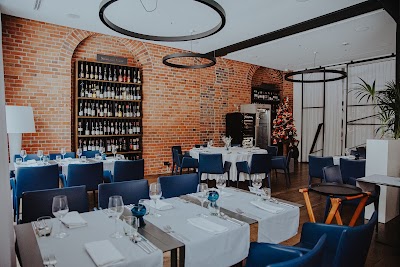
Restauracja Nicolaus
€€€Old Town
Sophisticated dining on a quiet street, blending Polish ingredients with French culinary techniques.
Signature — Roasted rack of lamb with rosemary and regional honey glaze
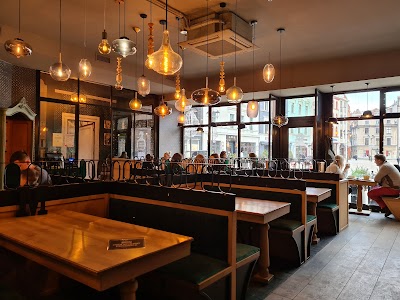
Manekin
€Old Town
The original branch of Poland's most famous crêperie chain, serving an endless menu of savory and sweet pancakes.
Signature — Potato pancake stuffed with spicy goulash
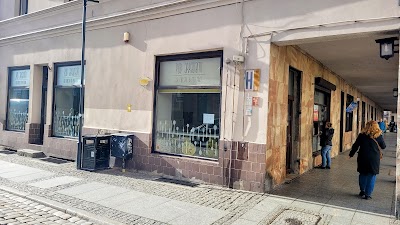
Bar Mleczny Pod Arkadami
€Old Town
A classic, no-nonsense Polish milk bar serving cheap, authentic home-style food since the communist era.
Signature — Classic potato and cheese pierogi leniwe
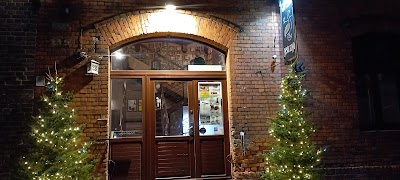
Pizzeria Metropolis
€Old Town
Popular local spot known for thin-crust pizzas and massive salads at excellent prices.
Signature — Metropolis pizza with local smoked bacon and cranberries
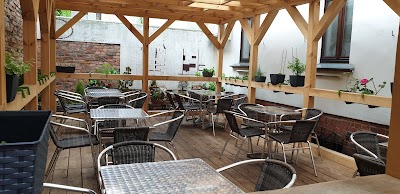
Chwast Prast Wegetariańskie Bistro
€Old Town
Small, passionate bistro serving creative, entirely plant-based versions of traditional Polish comfort food.
Signature — Vegan pyzy (potato dumplings) stuffed with smoked tofu and mushrooms
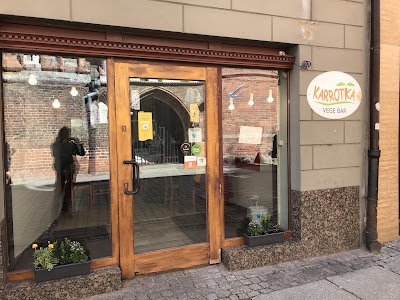
Karrotka
€Old Town
A cozy, long-running vegetarian cafeteria offering daily changing menus of wholesome, home-cooked grain bowls and bakes.
Signature — Savory lentil and vegetable tart
Green Way
€Old Town
Reliable vegetarian spot serving affordable, nutrient-dense meals from soups to grain-based mains.
Signature — Spicy chickpea and spinach goulash
After dark
Nightlife
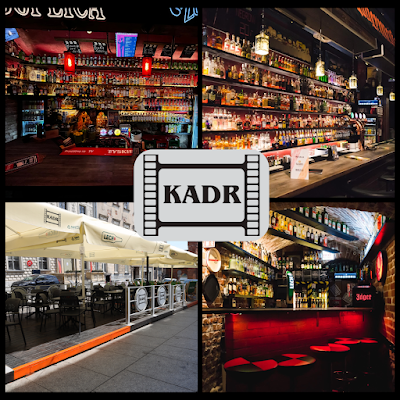
Klub Kadr
Old Town
Cinematic-themed cellar bar with vintage decor, excellent classic cocktails, and a relaxed, intellectual crowd.
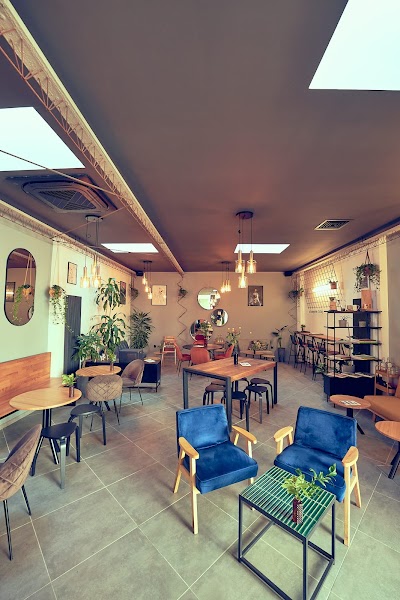
Art Cafe
Old Town
Artistic cafe-bar featuring local artwork, creative drinks, and a quiet courtyard garden.
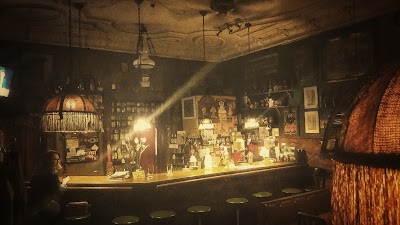
Czarna Małpa
Old Town
Dedicated craft beer bar with a rotating selection of Polish microbrews and a knowledgeable staff.
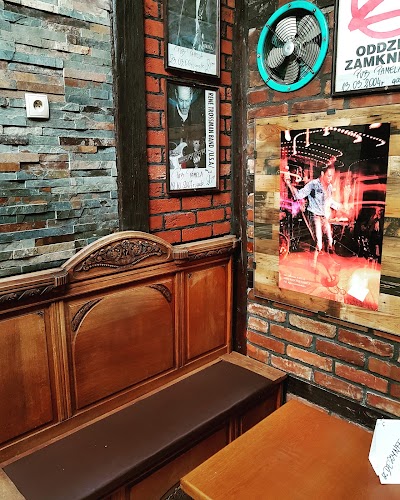
Hard Rock Pub Pamela
Bydgoskie Przedmieście
Legendary local rock institution hosting live concerts, blues nights, and rock memorabilia.

Lizard King
Old Town
Spacious venue on the main pedestrian drag hosting regular rock, tribute, and pop-rock cover bands.

Koniec Świata
New Town
Alternative student pub and cultural space hosting underground gigs, poetry slams, and DJ sets.
Art & history
Culture
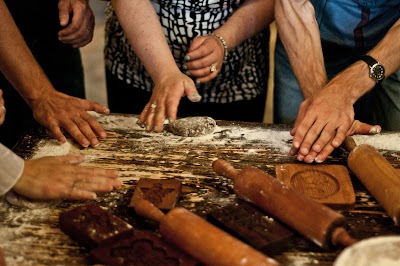
Living Gingerbread Museum (Żywe Muzeum Piernika)
Old Town
Interactive museum where visitors bake their own traditional gingerbread using 16th-century methods under the guidance of costumed hosts.
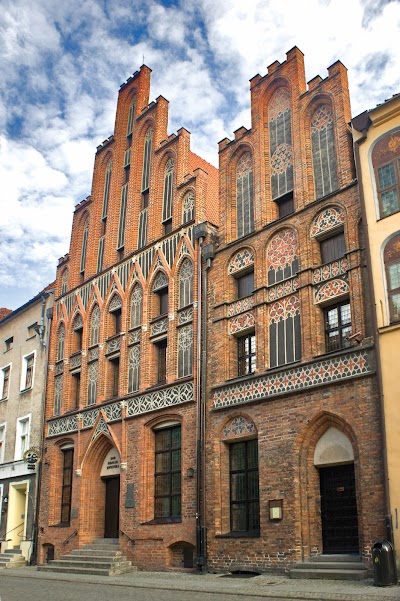
Copernicus House (Dom Kopernika)
Old Town
Interactive museum set across two Gothic merchant houses believed to be the birthplace of the astronomer.
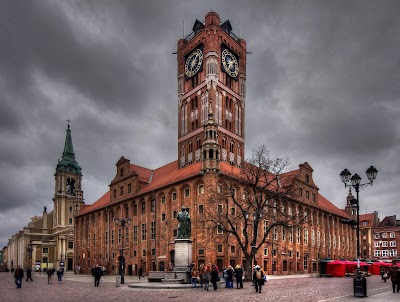
District Museum in the Old Town Hall (Muzeum Okręgowe)
Old Town
Comprehensive museum of art and history housed in one of Central Europe's grandest medieval town halls.
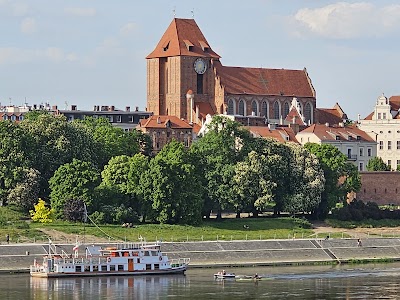
Cathedral of St. John the Baptist and St. John the Evangelist
Old Town
Massive 14th-century Gothic brick cathedral housing the famous Tuba Dei bell, one of the largest medieval bells in Europe.
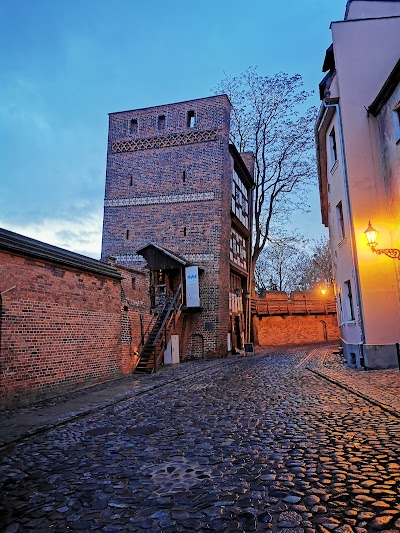
Leaning Tower of Toruń (Krzywa Wieża)
Old Town
A 14th-century defensive tower that tilted due to unstable clay ground, now a symbol of the city.
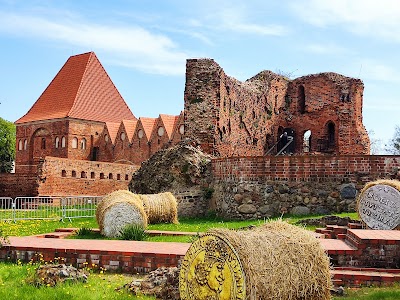
Teutonic Castle Ruins (Ruiny Zamku Krzyżackiego)
Old Town
The excavated remains of the 13th-century castle destroyed by rebellious townspeople in 1454.
Book ahead
Top-rated experiences in Torun

Undercover City Games: Torun
from $14

Torun Old Town Highlights Private Walking Tour
from $104

Private Transfer from Torun to Gdansk City or Airport Gdansk(GDN)
from $334

Private walking city tour in Torun
from $321

Walking Tour of the medieval Toruń
from $180

Torun Living Museum of Gingerbread and Old Town Private Walking Tour
from $136

Copernicus to Castles Self Guided Tour of Torun Old Town
from $9

Torun Private Polish Beer Tasting Tour
from $168
These are affiliate links. We may earn a commission when you book — at no extra cost to you. Tours are sold and operated by Viator, the merchant of record. Ratings collected by Viator and Tripadvisor.
Timing
When to visit
Spring
May brings mild temperatures and outdoor cafe terraces opening along the pedestrian streets.
Summer
July and August are warm and host various outdoor theater and music festivals, though this is peak domestic tourism season.
Autumn
September and October see the student population return, injecting energy into the local pub scene amid crisp, dry weather.
Winter
December is cold but atmospheric, with gingerbread workshops and festive lights highlighting the red-brick architecture.
What it costs
Budgeting
Logistics
Getting around
From the airport
The nearest major airports are Bydgoszcz (PLB), about an hour away by train or bus, and Gdańsk (GDN) or Warsaw (WAW), both roughly two to three hours away via direct train connections.
Public transit
A reliable network of trams and buses covers the entire city. Trams are the most efficient way to travel between the main train station and the historic center.
Passes & tickets
Single-ride and short-term (24-hour or 48-hour) transit tickets are highly affordable and easily purchased via onboard ticket machines or mobile apps like Jakdojade.
On foot
The entire historic core (Old and New Towns) is fully pedestrianized and compact enough to cross on foot in less than twenty minutes.
Travel smart
Safety & etiquette
Local etiquette
- •Always greet shopkeepers and waitstaff with a polite 'Dzień dobry' (Good day) and say 'Dziękuję' (Thank you) when leaving.
- •When visiting active churches, dress modestly and avoid taking photos during religious services.
- •Tipping is expected for good service in restaurants; 10% is the standard norm.
From the ground
Practical tips
1
Buy your tickets for the Living Gingerbread Museum online days in advance, as interactive sessions sell out quickly.
2
Cross the Pilsudski Bridge to the observation deck on the south bank of the Vistula River at dusk for the best view of the illuminated medieval skyline.
3
Avoid dining directly on the main market square if you want authentic local prices; head to the side streets of the New Town instead.
4
Look for the small metal statues of a dog, a donkey, and a dragon scattered around the Old Town; they represent local folklore and medieval history.
5
Use the Jakdojade mobile app to easily navigate the local tram and bus schedules and purchase digital tickets instantly.
6
If visiting in winter, dress in heavy layers as the wind blowing off the Vistula River can make the historic stone streets feel exceptionally cold.
Torun FAQs
Is Toruń walkable?
Yes, the entire historic center is pedestrianized and can be easily explored on foot in a single day.
What is the local specialty to buy?
Traditional gingerbread (pierniki) from the Kopernik bakery or specialized local shops is the essential purchase.
How do I get from the train station to the center?
Take a short tram or bus ride across the bridge, as the main train station is located on the opposite side of the river.
Can I visit the sights in one day?
While a single day covers the main highlights, staying overnight allows you to experience the atmospheric evening lighting and local pub culture.
Is English widely spoken?
Yes, due to the large university student population, most young people and service staff speak excellent English.